(Sidebar: Audra just co-launched a new nonfiction comics outfit called Crucial Comix with one of my very favorite human beings, Shay Mirk.)
Blog
My friend Christopher made himself an acronym to live by (PAASH: P.E., Art, Admin, Study, Help) and I liked the idea so much I had to make my own. The general idea, as far as he described it, was to capture the things he does in any given day or week that make him feel like a whole person. If something feels off, he can take a look at the acronym and see what’s missing.
After a lot of messy note taking and backronymification I landed on CLEAR: Create, Learn, Embody, Act Up, Rest.
Create: make something with your hands, has to be tangible, no computer shit
Learn: engage the conspiracy string brain, read a book with a pencil in hand, take a class, listen to a podcast
Embody: move in any capacity, whether concerted exercise or rolling around on the floor like a pill bug
Act Up: engage in some form of activism, ideally connected to community, that pushes you outside your comfort zone
Rest: the hard one, zero input time, staring into space, lying on the ground, generally after lunch
They’re not so different, really, but I think it does add something to have to come up with your own. I’d be very curious to see other people’s down the line. Maybe we all, deep down, want the same five things out of a day. (There’s a thought: should it be limited to five letters? That’s just how these two examples shook out, but I see no reason to limit the parameters.)
I don’t know how long she’s been there when I spot her.
A pointed muzzle. Massive, soft ears swiveling in the dusk. Slender legs perched on the rock wall. She’s close to the orchard, but leaving the shelter of the trees. The comet of her dark-tipped tail follows her to the lawn.
We’re close, maybe twenty feet from each other. The dogs don’t like it one bit, growling and barking in a defensive fury, but she saunters forward, unconcerned. I’m frozen, attuned, waiting for something. She holds steady until I stand and shatter her confidence against the edge of my movement.
In seconds both the coyote, and the brief unselfing she brings, are gone.
There’s something undeniably different about finding a community via blogs.
Social media spoiled us for feeling like we were all in the same giant room—liking, replying, reblogging, DMing and so on—but when I go to quote a friend or draw attention to a project on my own site, I find myself applying a higher standard of stewardship. How do I want to introduce other people to this person? What work of theirs really sings to me? I always try to do my due diligence with tags and links and properly formatted images, because we’re making our own internet out here and we owe it to each other to get it right.
I have a richer picture of the group of people in my feed reader than I did of the people I regularly interacted with on social media platforms like Instagram. There are also fewer people to keep up with overall. I’m more likely to unfollow feeds whose updates I don’t leap at the chance to consume. I’m more aware of nuanced opinions, annual projects, and the inner thoughts of relative strangers.
Because blogs are much quieter than social media, there’s also the ability to switch off that awareness that Someone Is Always Watching. I’m far more likely to write or make things just to please myself on my site. I’m also always genuinely delighted and startled when someone tells me they’ve read a post.
I don’t want to lose that feeling of noodling around in the dark.
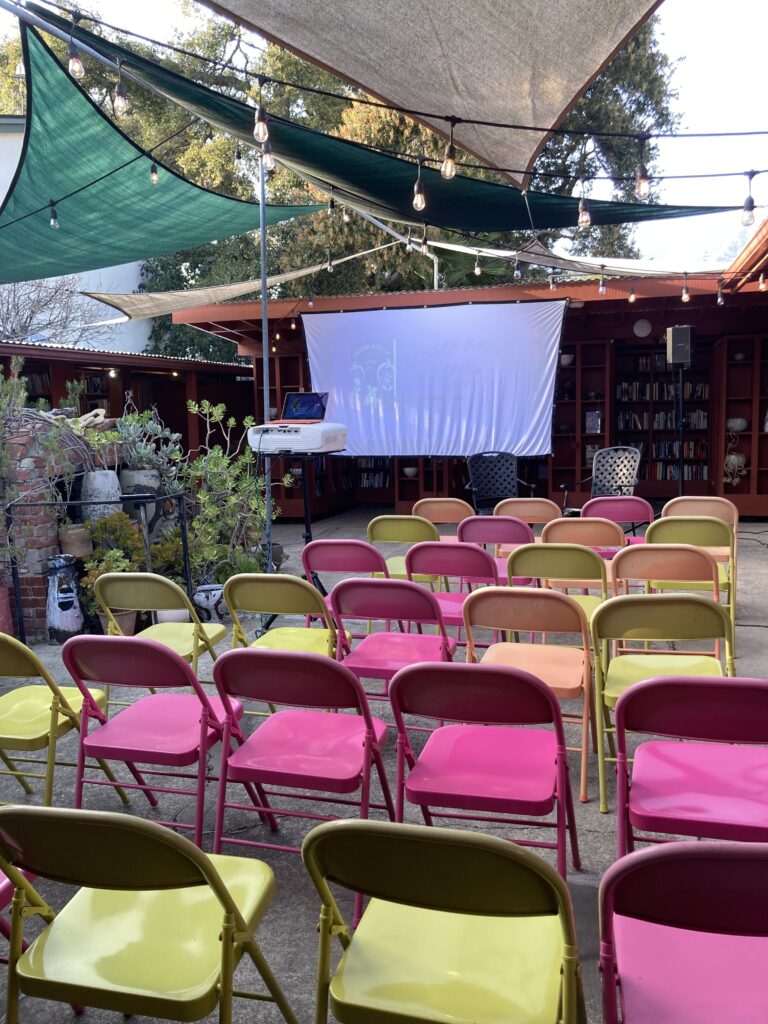
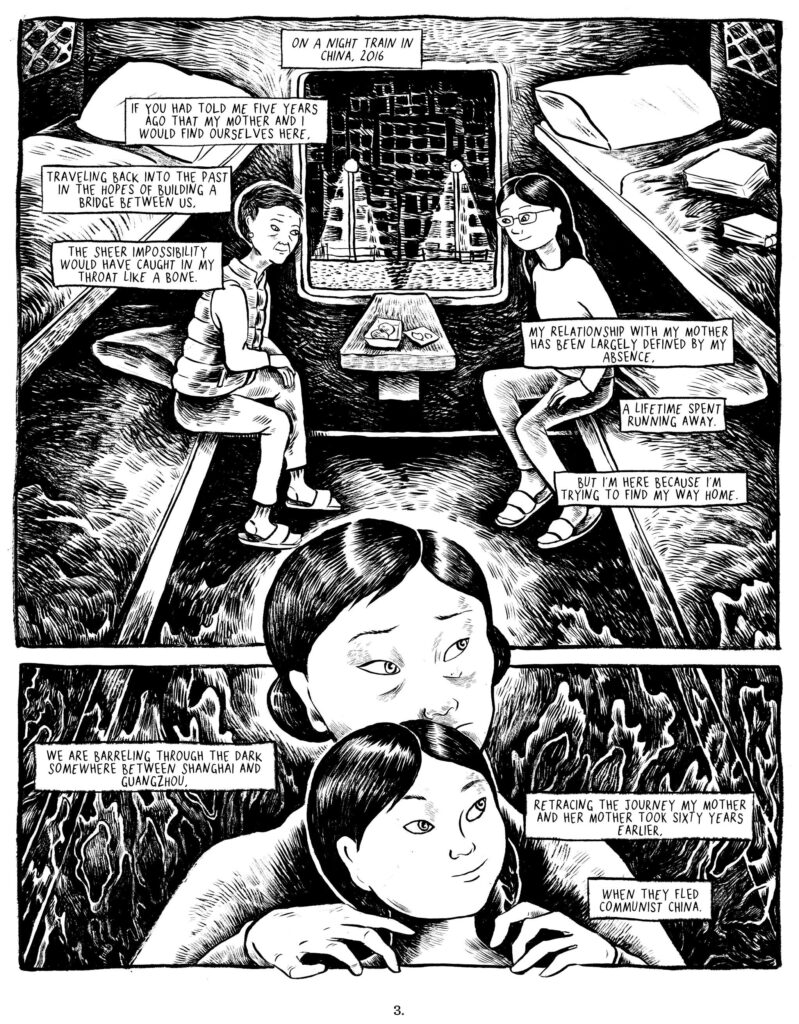
Just in time for my next event at Bart’s Books, I’ve finally finished cutting together the audio of my previous conversation there with creative powerhouse Tessa Hulls! This talk was recorded on her whirlwind book tour for Feeding Ghosts, a stunning matrilineal graphic memoir that rocked me to my core and has remained on my mind all year.
Tune in to hear us talk about sustaining ourselves during interminable creative projects, insights from Tessa’s seven-month isolated wilderness residency, and some Patented Bellwood Questions about money in publishing under a springtime sunset.
Tessa also read us an excerpt from the book, which I’ve included in the audio because the words absolutely hold up on their own (although obviously the ideal way to experience the book is to get your hands on a copy).
Longtime readers might remember this chat we recorded back in 2018. Many themes in this more recent conversation are the same, but the intervening years have changed us both in some pretty significant ways. I hope we get to cross paths again and answer all these questions anew another six years down the line.
I have so much admiration for Tessa as a fellow uncategorizeable creative force. She continues to remind me what it can look like to blend all the disparate passions of our lives into something rich and strange. I hope that affection and enthusiasm come through in this conversation, and that you’re able to read her book soon.
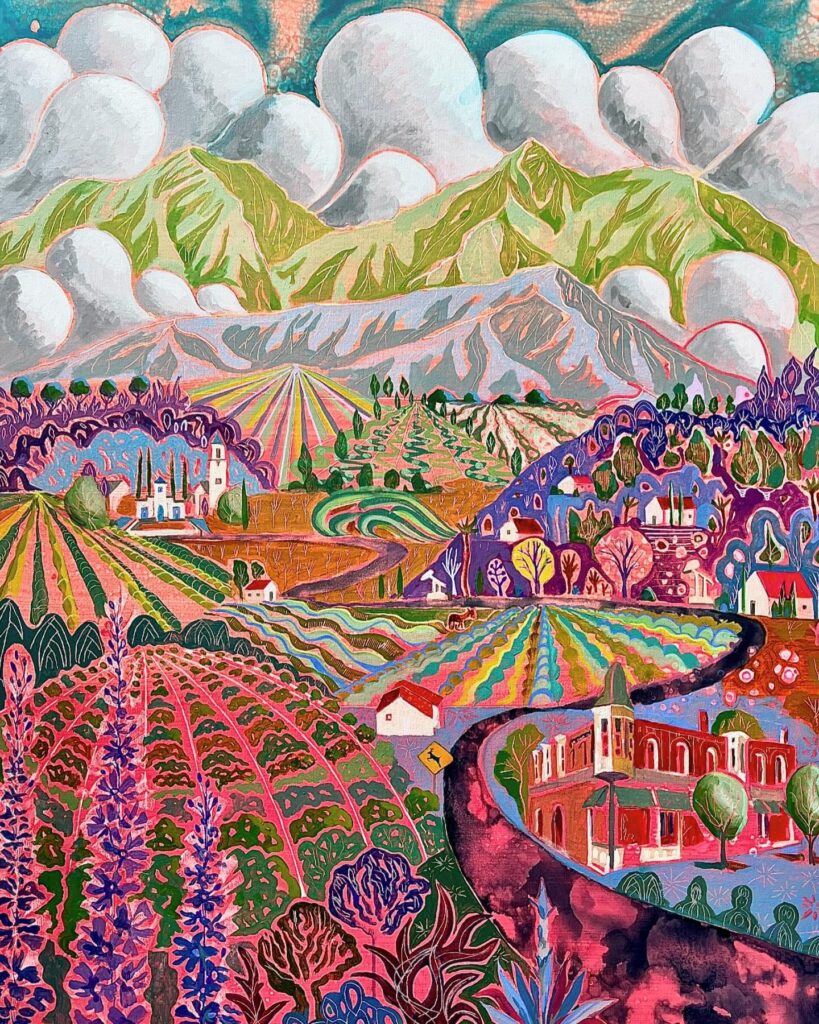
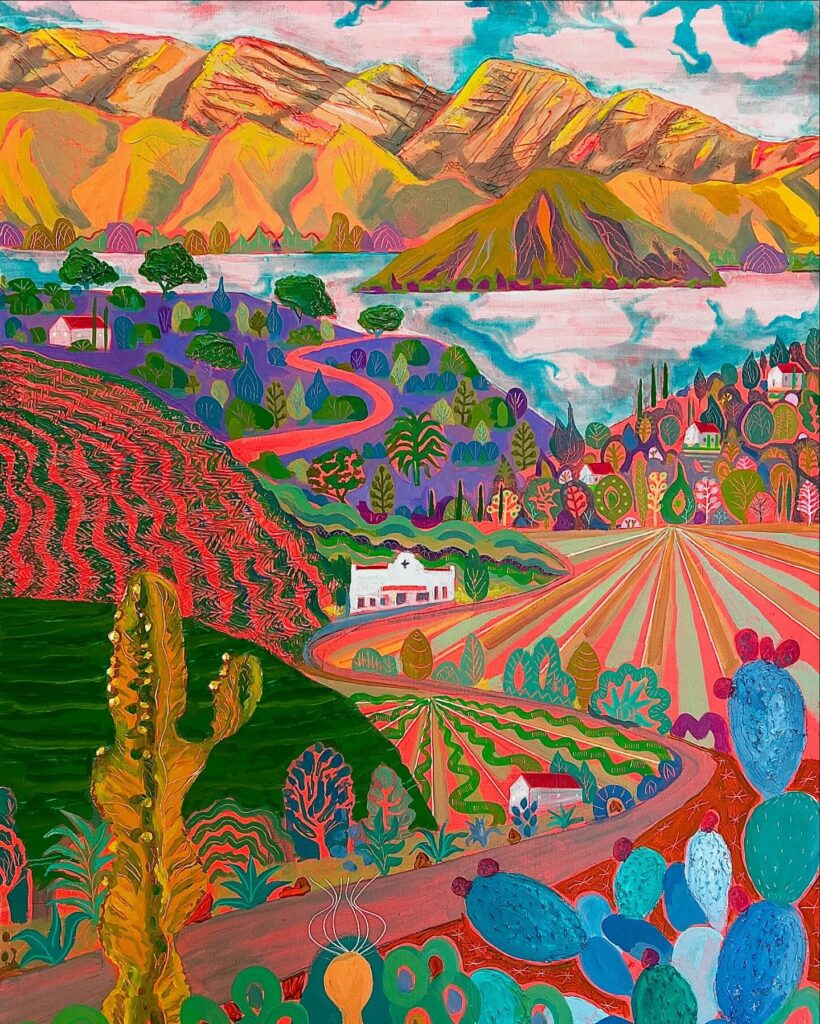
After looking over the Big Weirdies at a recent show, a friend said with a wink-wink laugh, “I’ll have what he’s having.”
He’s welcome to it! What I’m having is fun.
I really like this post from my pal Christopher about his approach to “super-saturation and world-building” in his paintings without the use of psychedelics (despite what many people seem to think upon viewing them).
I’m joining the inimitable Carson Ellis for a conversation at Bart’s Books this month! Come help celebrate the release of her new book, One Week in January, on October 12th in the Bart’s courtyard from 6-7pm. We’ll be chatting about creative booms in funky towns, spending time with our younger selves, and finding community in rural spaces. Event details here.
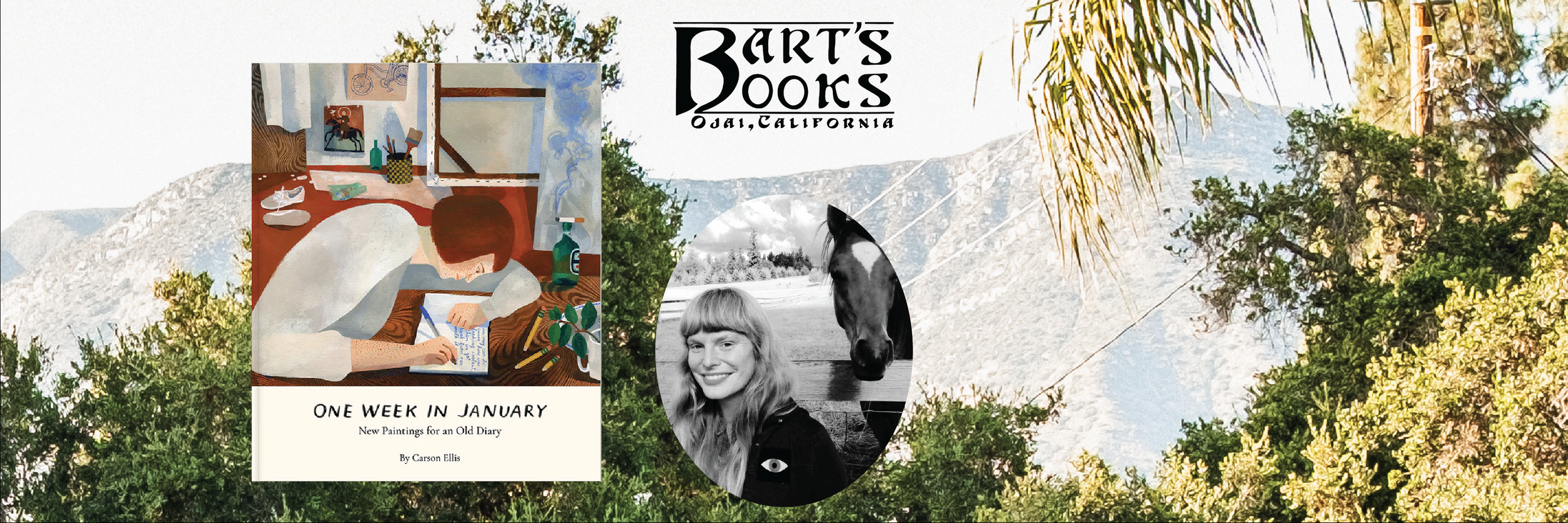
Here’s a bit more about the book:
In January 2001, […] 25-year-old Ellis moved into a warehouse in the Central Eastside with a group of fellow artists. For the first week she lived there, Ellis kept a detailed diary recording only the minutiae of each day, mostly as a brain exercise to stave off what she perceived as memory loss. A couple years ago, having recently rediscovered the volume in a crate of letters and keep-sakes, she set to illustrate the two-decade-old journal with rich gouache paintings, evocatively capturing a specific cultural moment of the early 2000s.
Offering here a snapshot of a bygone era and a meticulous re-creation of quotidian frustrations and small, meaningful moments, One Week in January is a meditation on what it means both to start your journey as an artist and to look back at that beginning many years later.
You can also see all the original paintings from the book at Nationale in Portland through October 19th!
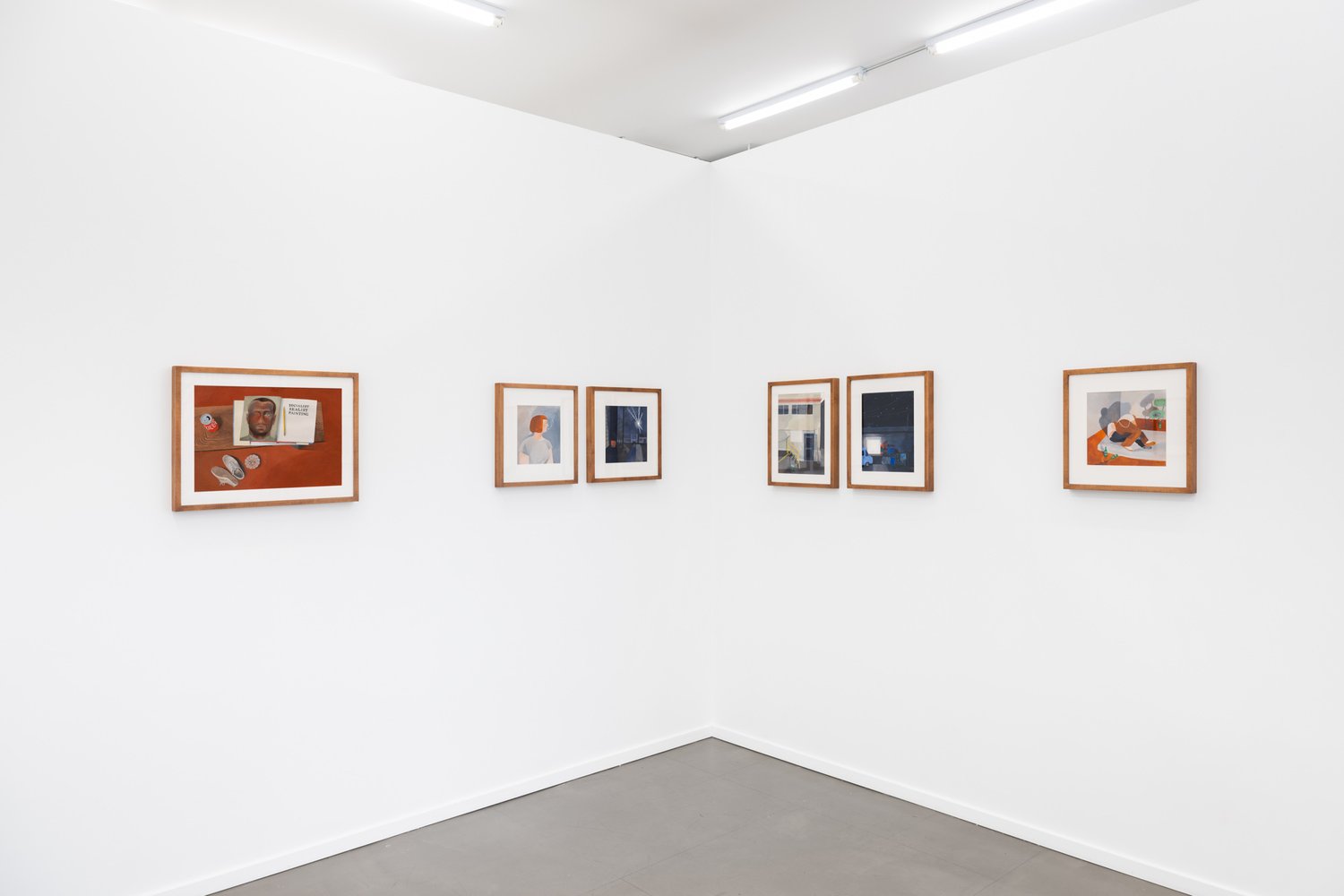
There are tons of things I love about this project, but I’m specifically delighted by it as a time capsule of the Portland that was already dissolving when I arrived there as a college student in late 2009. I know the buildings and markets Carson mentions in her diary! I’ve visited friends’ painting studios in those same warehouses! I’ve shopped at those corner stores! But the version of the city I found was slightly newer, the grime a bit less visible. The city I visit now—the one she still lives outside of—is newer still.
And then, of course, there’s the collapsing tunnel that flings me back further in my own life. A year after writing this diary, Carson would illustrate the cover of Castaways and Cutouts—the first album from The Decemberists, fronted by her now-husband (and frequent diary apparition) Colin Meloy. By the time I started high school in 2003 I was eagerly bringing their songs to play at Morning Assembly. As a tall ship sailor in the late 2000s, it was basically mandatory that one listen to a band with so many raucous, anachronistic, shanty-like tunes under their belt—not to mention the nautical art Carson made for each release. The thought of sitting down as something like peers to discuss Carson’s work from that era is surreal in the extreme.
Now that I think of it, one of my favorite reads from this year, Dear Sophie, Love Sophie, likewise begins with the recovery of a painfully earnest diary and spins it into something compassionate and affirming in the present day.
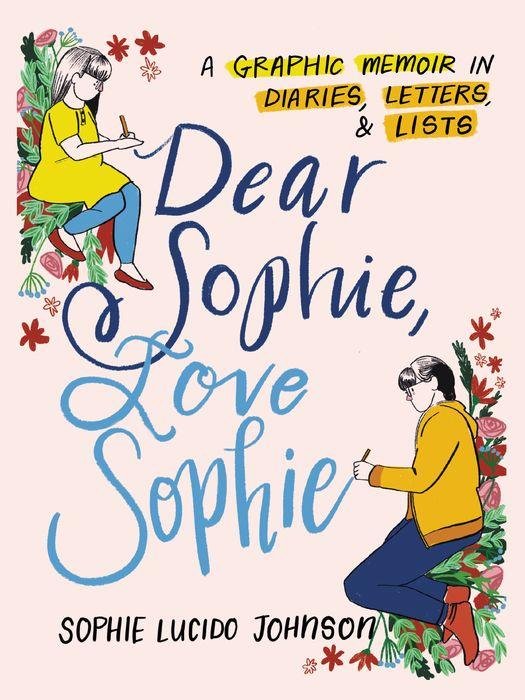
It’s more graphic novel than pairing of painting and text, but equally heartfelt and charming. (I’m just a big fan of Sophie Lucido Johnson, generally speaking. Her newsletter is great.)
Oh, Carson has a newsletter, too! It’s called Slowpoke.
Okay, I think that’s it for promotion. See you at Bart’s!
I wish I could be in the Pacific Northwest to attend one of these screenings for Dark and Tender, a film exploring the work of Aaron Johnson and the Chronically UnderTouched (CUT) Project.
From their website:
The Chronically UnderTouched (CUT) Project is a movement supporting People of the Global Majority — people of color — to recover healthy, nourishing, platonic touch in a culture that, in the United States, denies it at every turn.
Born out of the development and tracking of the Chronically UnderTouched trauma story, the CUT Project develops accessible practices — deep listening, song, access to nature — as antidotes to the Black Brute archetype. […] Tender, thoughtful touch and holding, to the Black male body, is so dangerous to white supremacy that they use all matters of violence to erase this practice.
I’m watching my dad decline and trying to stay present for the version of him that remains and always, always thinking about grief in this country. How we drown it, gloss over it. We’re starved of the emotional technology that helps us process any of this. Our rituals fall so short. Aaron’s work illuminates the ways this deprivation disproportionately impacts people of color, making it all the more timely.
These days my ears perk up when someone speaks with the candor that comes from living through immeasurable loss. I find myself gravitating to places I never would’ve called home before: grief circles, mortality workshops, books and books and books about mourning, death, and ceremony.
Touch is a cornerstone of survival in this season. The older I get, the more deeply I know it. I know it because I want it. I want lingering hugs that last a full breath. I want leonine forehead to forehead greetings. I want a hand on the shoulder, a back scratch, the reassuring weight of leaning into someone side by side. I want to feel us shoring each other up, reminding one another that we are warm and breathing and alive, even as we hold everything that breaks us.
There’s a delicate, industrious ticking at my left-hand side. A tiny golden hand advancing second by second around the upturned face of a watch from 1969. My grandfather’s watch. A watch I didn’t know existed before this month, belonging to a man I’d never met, whose personal effects I just traveled 5300 miles to retrieve after 30 years in storage.
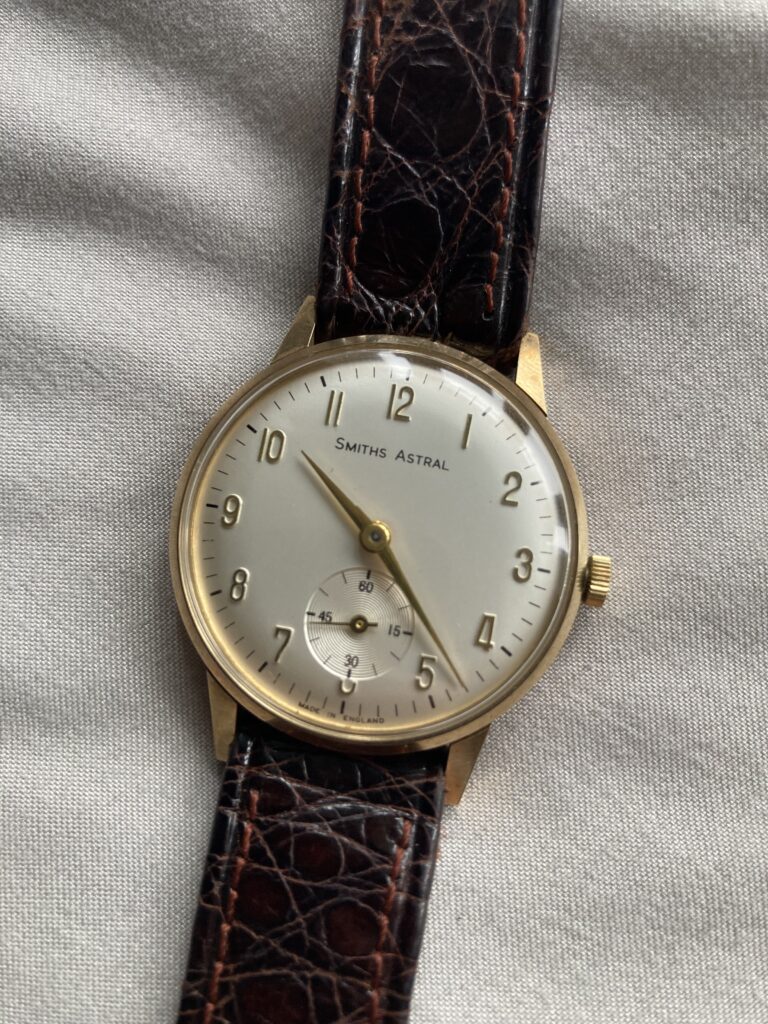
I’ve always been a sucker for tiny, functional items; things that carry the evidence of daily activity and the particular devotion of the mundane. A monument may dazzle, but it’s the sealed jar from Pompeii that sticks with me after all these years, its lid lifted to reveal the scooped impression of three fingers in white cream.
How many times have I scooped lotion from a jar? Fidgeted with a ring? Buttoned on a coat?
How could I have known that winding this watch would bring it back to life as if no time at all had passed?
It’s happening again, the thing that happens when I get back to drawing after a slump.
The transition was abrupt. I woke up two weeks ago, went to the studio, queued up Neil Gaiman’s live reading of The Graveyard Book (my habitual comfort food of many years), cranked out four pages, rode my stationary bike for a half hour, and then took it upon myself to begin eating a whole head of lettuce every day to finally get ahead of our CSA box. The transition was shocking in its ease, especially when I hold it up beside weeks and weeks of disruption and self-judgement. I’ve been torn between dog-sitting gigs, two different living situations, visits from friends, heart procedures at the hospital with my dad, studio moves, traveling out of state for events, and passing obsessions with whittling, ultralight backpacking, and quilting scattered in between.
Writing it all out, I soften. Of course I’ve struggled to sink into the kind of flow state needed for real progress on my book. There’s been no consistency! No ritual! No routine! My poor little animal brain doesn’t know how to make sense of it all.
But now that the gears have clicked into place and I’m suddenly off to work every morning like clockwork, the other thing happens: I lock down. I become superstitious and squirrelly, prone to evading all well-meaning attempts at conversation from the people I love.
“How’d it go at the studio today?”
“What’s your page goal this week?”
“When are you heading to work?”
Too much scrutiny makes me fearful. The ease of transition is suspicious. How did this happen? Why did I magically wake up and find it simple to return to work on this day of all days? If I don’t understand it, anything might switch it off again. So I err on the side of secrecy, and remain a jealous guardian of my time.
It’s been two weeks of consistent creative flow. It’s working for now. I’ll bask in it for as long as it lasts.